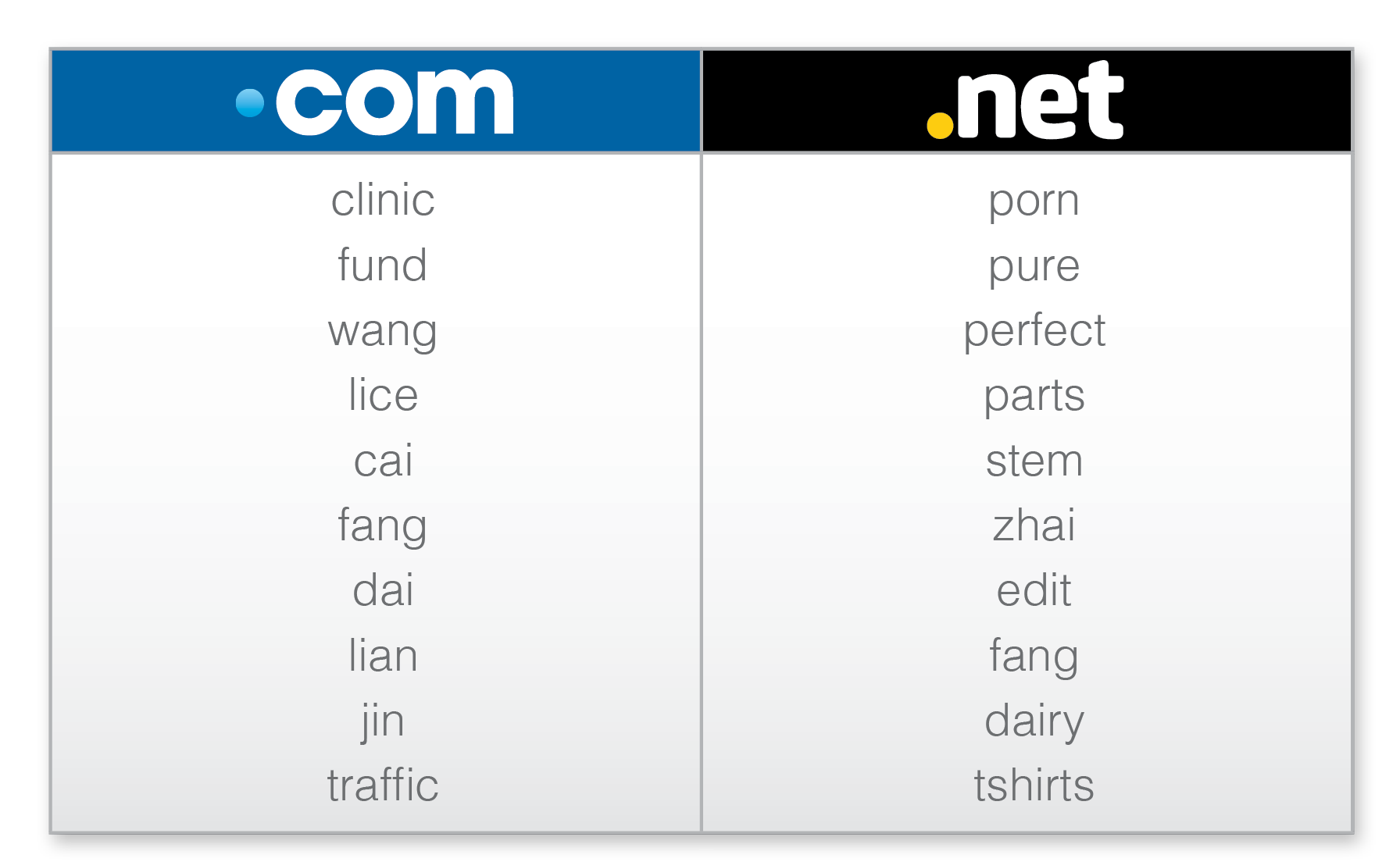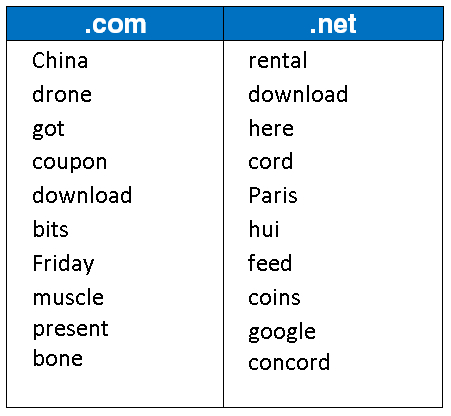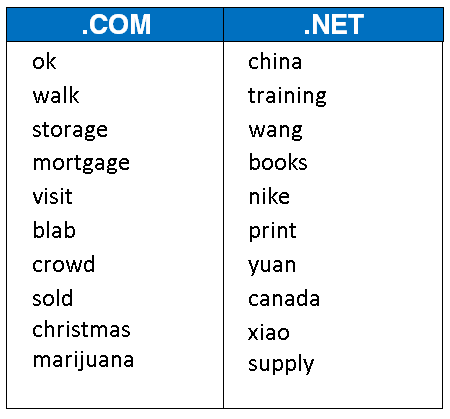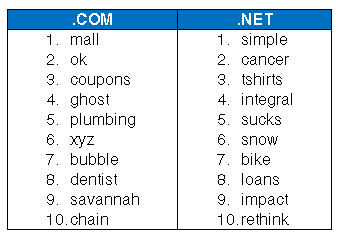
The top 10 trending keywords registered in .com and .net during the month of December 2015 are below. Any surprises?

Today, we released the latest issue of the Domain Name Industry Brief, which showed that the Internet grew by approximately 3.1 million domain names in the third quarter of 2015, and closed with a base of 299 million domain names across all top-level domains (TLDs). This is a 1.1 percent increase over the second quarter of 2015.
Guest post from Manish Dalal, Vice President, Verisign Naming Services Asia
The composition of the Internet’s population continues to evolve toward a more localized Web. Asia has been leading the way forward as the populations in that region come online and begin creating and consuming content in their local languages. According to Internet World Stats, over 48 percent of all Internet users are located in Asia and, according to W3Techs, approximately 45 percent of all websites in the world are in a language other than English.
Still, navigation of the Internet through a URL is primarily in English. Therefore, by enabling more end users to navigate the Internet in scripts representing their native language, and giving more companies the ability to maintain a common brand identity across many scripts, Internationalized Domain Names (IDNs) have the potential to make the Internet more accessible and thus more usable to end users around the world. This accessibility is why IDNs have generated considerable attention since Verisign introduced IDNs at the second-level in 2000.
The Domain Name System (DNS) offers ways to significantly strengthen the security of Internet applications via a new protocol called the DNS-based Authentication of Named Entities (DANE). One problem it helps to solve is how to easily find keys for end users and systems in a secure and scalable manner. It can also help to address well-known vulnerabilities in the public Certification Authority (CA) model. Applications today need to trust a large number of global CAs. There are no scoping or naming constraints for these CAs – each one can issue certificates for any server or client on the Internet, so the weakest CA can compromise the security of the whole system. As described later in this article, DANE can address this vulnerability.

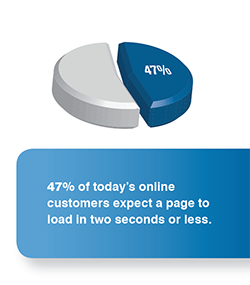
For consumers who are increasingly impatient and expect a website to load within two seconds or less, the majority will quickly abandon a slow-loading page along with their shopping cart, resulting in lost revenue. With so many potential problems to slow down your site, the domain name system (DNS) doesn’t have to be one of them.
DNS is the Internet’s equivalent to a phone book. It maintains a directory of domain names and translates them to their respective Internet Protocol (IP) addresses, enabling the end user to access a desired Web page. Any disruption to the DNS during the holiday season can be disastrous for retailers.
“DNS is the Achilles’ heel of the Web, often forgotten, and its impact on website performance is ignored until it breaks down,” explains Mehdi Daoudi, CEO of Web performance monitoring firm Catchpoint. However, it doesn’t have to be.
If you are a recent grad or someone looking to make a career move, make sure to think about your presence on the internet. Last year, 92 percent of recruiters used social media in the recruiting process. If a hiring manager looked you up online, what would he or she find? You can give yourself that extra edge and stand out from the crowd by taking control of your digital footprint. And, the easiest way to do that? Register a domain name and secure your professional space online to show who you are and what you can offer. In fact, 56 percent of all hiring managers are more impressed by a candidate’s personal website than any other personal branding tool.